Category: Uncategorized

  • The Costs of Starting a Drinking Water Production Business: What to Expect

    Introduction

    Did you know the global bottled water market is projected to reach a staggering $500 billion by 2030? As demand for clean, safe drinking water continues to rise, starting a bottled water production business presents a lucrative opportunity. However, like any venture, success hinges on understanding the costs involved. Whether you’re an aspiring entrepreneur or a business looking to diversify, this guide will break down the key expenses of launching your own drinking water production operation. More importantly, we’ll show how investing in reliable equipment can optimize your budget and set you up for long-term profitability.

    At New Haiguang, we’ve been helping startups worldwide turn their vision into reality for over 20 years. With our extensive experience and high-quality production lines, we’re here to ensure your journey into the bottled water industry is as smooth as possible.

    Section 1: Initial Investment – Equipment Costs

    The backbone of any bottled water business is its production line. Investing in the right equipment is crucial, as it directly impacts your product quality, efficiency, and scalability. Here’s a breakdown of the essential machinery you’ll need and their approximate costs:

    • Water Treatment Equipment:
      Clean, purified water is the foundation of your product. A commercial reverse osmosis (RO) system is vital for removing impurities. Depending on capacity, expect to invest between $2800 and $50,000 for a reliable RO purifier.
      Explore our Commercial RO Water Purifier for cost-effective solutions.
    • Filling Machines:
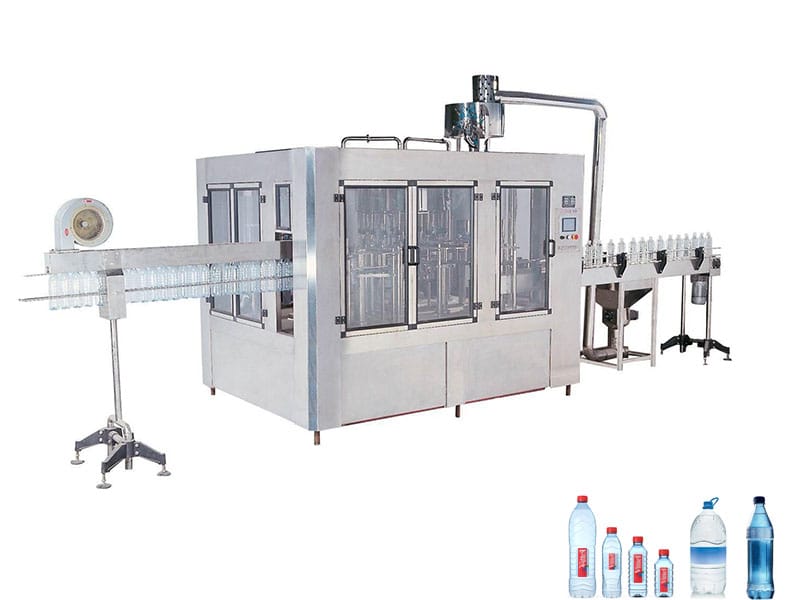
      The type of filling machine you choose depends on your target market. For small bottles (200ml-2L), costs range from $11,000 to $100,000, while 5-gallon filling machines typically cost between $3,000 and $30,000, based on automation and speed.
      Check out our Small Bottle Water Bottling Machine and 5-Gallon Water Filling Machine for options tailored to your needs.
    • Bottle Blowing Machines:
      If you plan to produce your own bottles, a blow molding machine is essential. These machines, which shape PET preforms into bottles, range from $9,800 for semi-automatic models to $80,000 for fully automatic systems.
      See how our Bottle Blowing Machine can enhance your branding.
    • Labeling and Packaging Machines:
      To complete your production line, you’ll need labeling and shrink-wrap machines. Labeling machines cost around $1,000 to $10,000, while packaging machines range from $6,900 to $10,000.
      Discover our Bottle Labelling Machine and Shrink Wrap Machine for Bottles to streamline your process.

    Key Takeaway: While the upfront costs may seem high, choosing durable, high-quality equipment like New Haiguang’s can significantly reduce maintenance and replacement expenses down the line.

    Section 2: Installation and Setup Costs

    Once you’ve selected your equipment, the next step is installation and setup. Proper installation ensures your production line runs efficiently from day one. Here’s what to budget for:

    • Equipment Installation:
      Professional installation is critical to avoid costly mistakes. Depending on the complexity of your setup, installation services can range from $1,000 to $10,000. At New Haiguang, we provide professional installation guidance to ensure your equipment is set up correctly.Most of installation can be down with our instruction without any fee.
    • Factory Space:
      You’ll need a facility to house your production line. Renting a small industrial space can cost between $500 and $5,000 per month, while purchasing a facility might require an investment of $50,000 or more, depending on location.
    • Utilities:
      Initial setup for water, electricity, and waste management can add another $500 to $3,000 to your startup costs.

    New Haiguang Advantage: Our team offers free professional installation guidance and lifelong consultation services, helping you avoid unnecessary delays and expenses.

    Key Takeaway: Expert support during setup can save you time and money, ensuring your business launches smoothly.

    Section 3: Operational Costs

    After your production line is up and running, you’ll need to account for ongoing operational expenses. These include:

    • Raw Materials:
      Sourcing water and PET preforms (for bottles) is a recurring cost. Depending on volume, expect to spend $500 to $5,000 per month on raw materials.
    • Labor:
      Staffing needs vary based on automation. For a small operation, labor costs can range from $1,000 to $5,000 per month.
    • Maintenance:
      Regular upkeep is essential to avoid breakdowns. Budget around $1,000 to $3,000 annually for maintenance, though this can be lower with durable equipment like New Haiguang’s.

    Want to see our equipment in action? Explore our Videos Page to witness the efficiency of our production lines.

    Key Takeaway: Investing in efficient, reliable machinery can significantly reduce your long-term operational costs.

    Section 4: Hidden Costs to Watch Out For

    While the above expenses are expected, there are several hidden costs that can catch new business owners off guard:

    • Regulatory Compliance:
      Ensuring your water meets safety standards requires regular testing and certifications, which can cost $1,000 to $3,000 annually.
    • Shipping and Import Duties:
      If you’re importing equipment internationally, factor in shipping fees and import duties, which can add 10-30% to your equipment costs. With New Haiguang’s experience exporting to 60+ countries, we can help you navigate these logistics.
    • Marketing:
      Building your brand and entering the market requires an initial marketing budget of at least $2,000 to $10,000.

    New Haiguang Support: Our global expertise ensures you’re prepared for these challenges, from compliance to logistics.

    Key Takeaway: Planning for hidden costs ensures your business stays on track without unexpected financial setbacks.

    Conclusion

    Starting a drinking water production business is an exciting venture, but it requires careful financial planning. From equipment and installation to operational and hidden costs, understanding these expenses is key to your success. By partnering with a trusted supplier like New Haiguang, you gain access to high-quality equipment, expert installation guidance, and lifelong support—helping you optimize your investment and avoid costly pitfalls.

    Ready to take the next step? Contact us today for personalized advice or a tailored quote. With the right equipment and support, your bottled water business can thrive from day one.

  • Small Bottle vs. 5-Gallon: Which Water Packaging Should Your New Business Choose?

    Introduction

    Did you know the global bottled water market is projected to reach $500 billion by 2030? As demand for clean, safe drinking water surges, entrepreneurs like you are stepping up to meet this need. But one of the first and most critical decisions you’ll face is choosing the right packaging for your product: small bottles (200ml-2L) or 5-gallon jugs?
    This choice will shape your production process, target market, and even your bottom line. In this article, we’ll break down the pros and cons of each option to help you make the best decision for your new business. With over 20 years of experience in the industry, New Haiguang has helped hundreds of startups launch successful water production lines tailored to their unique goals. Let’s dive in!


    Understanding Small Bottle Packaging (200ml-2L)

    What is Small Bottle Packaging?

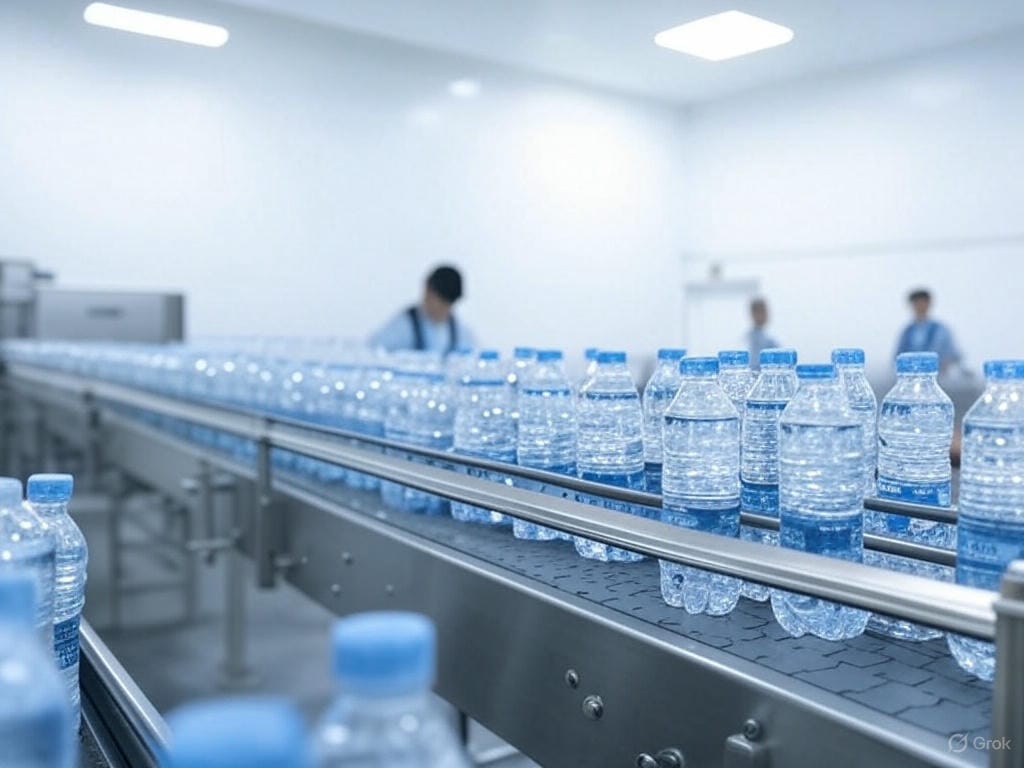
    Small bottle packaging typically refers to water bottles ranging from 200ml to 2L, commonly found in grocery stores, convenience shops, and vending machines. These bottles are designed for individual consumption, making them a go-to choice for on-the-go hydration.

    Market Demand

    Small bottles are incredibly popular in urban areas and high-traffic locations where consumers prioritize convenience. From gyms to gas stations, the demand for grab-and-go water is ever-growing, especially in regions with hot climates or limited access to clean tap water.

    Production Considerations

    Producing small bottles requires a comprehensive production line, including:

    Pros of Small Bottles

    • Wide Consumer Appeal: Perfect for individual use, appealing to a broad audience.
    • Retail-Friendly: Easier to distribute through supermarkets, convenience stores, and vending machines.
    • Branding Opportunities: Custom labels and bottle designs help your product stand out on crowded shelves.

    Cons of Small Bottles

    • Higher Packaging Costs: Producing and filling thousands of small bottles can be more expensive per unit.
    • Complex Production: Requires a more automated and intricate production line, which may increase initial setup costs.

    Understanding 5-Gallon Packaging

    What is 5-Gallon Packaging?

    5-gallon jugs are large, reusable containers typically used for bulk water delivery to homes, offices, and commercial spaces. These jugs are often paired with water dispensers for easy access.

    Market Demand

    While small bottles dominate retail, 5-gallon jugs have a steady demand in settings where bulk water is more practical, such as workplaces, schools, and rural areas with limited water infrastructure. This format is also popular for businesses offering refill services.

    Production Considerations

    The production line for 5-gallon jugs is simpler compared to small bottles. Key equipment includes:

    • 5-gallon filling machines for efficient, large-volume filling.
    • Water treatment systems to ensure purity, as larger volumes require stringent quality control.
      Though the production volume is lower, each jug holds significantly more water, making it a high-output option in terms of liters produced.

    Pros of 5-Gallon Jugs

    • Lower Packaging Costs: Fewer containers are needed to deliver the same volume of water, reducing costs per liter.
    • Simpler Production: The process is less complex, requiring fewer machines and less automation.
    • Recurring Revenue: Many businesses offer refill services, creating a steady income stream.

    Cons of 5-Gallon Jugs

    • Limited Consumer Base: Primarily appeals to bulk buyers like offices or households, not individual consumers.
    • Delivery Logistics: Requires a delivery system to transport large, heavy jugs to customers.

    Key Factors to Consider When Choosing

    Now that you understand the basics of each packaging type, let’s explore the key factors that will influence your decision:

    1. Target Market

    • Small Bottles: Ideal for urban retail markets, where convenience and portability are key. Think supermarkets, gyms, and events.
    • 5-Gallon Jugs: Better suited for offices, schools, or rural areas where bulk water delivery is more practical.

    2. Initial Investment

    • Small Bottles: Requires a higher upfront investment due to the need for multiple machines (filling, labeling, blow molding, etc.). However, this investment can pay off in high-volume markets.
    • 5-Gallon Jugs: Lower initial costs, as the production line is simpler and requires fewer machines.

    3. Scalability

    • Small Bottles: Easier to scale across diverse markets, from local retailers to international distributors.
    • 5-Gallon Jugs: Growth is often tied to expanding delivery routes or targeting niche markets like corporate clients.

    4. Operational Complexity

    • Small Bottles: Requires a more automated setup to handle high-speed production, which may demand more maintenance and technical expertise.
    • 5-Gallon Jugs: Simpler to operate and manage, making it a good choice for businesses with limited technical staff.

    5. Profit Margins

    • Small Bottles: Potentially higher margins in competitive markets, especially with premium branding or flavored water options.
    • 5-Gallon Jugs: Offers stability with lower margins but consistent demand from repeat customers.

    How New Haiguang Can Help

    At New Haiguang, we’ve spent over 20 years helping entrepreneurs like you launch successful water production businesses. With 500+ global clients and exports to 60+ countries, we’re here to guide you every step of the way.

    Our Equipment Solutions

    Support You Can Count On

    We offer professional installation guidance and lifetime consulting services to ensure your production line runs smoothly from day one.

    Take the Next Step

    Want to see our machines in action? Watch our product videos or contact us for personalized advice on choosing the right equipment for your business.


    Conclusion

    Choosing between small bottle and 5-gallon packaging ultimately depends on your target market, budget, and growth goals. Small bottles offer broad appeal and retail opportunities but require a more complex setup. Meanwhile, 5-gallon jugs provide simplicity and steady demand but cater to a narrower audience.
    Whichever path you choose, the right equipment is key to your success. With the right production line, you’ll be well on your way to building a thriving bottled water business.
    Ready to get started? contact us for more insights and expert guidance.

  • Choosing the Right Water Production Line for Your New Business

    Did you know the right production line can make or break your bottled water business? For new entrepreneurs entering the drinking water industry, selecting the appropriate water production line is one of the most critical decisions you’ll make. It’s not just about filling bottles—it’s about aligning your equipment with your market, budget, and long-term goals.

    water-production-line

    At New Haiguang, we’ve spent over 20 years helping businesses like yours succeed with reliable, high-quality production lines. Whether you’re aiming for small retail bottles or large commercial barrels, our range of solutions—from 200ml-2L small bottles to 5-gallon barrels—ensures you’ll find the perfect fit. In this guide, we’ll walk you through the key considerations for choosing the right production line, so you can launch your business with confidence.

    Know Your Audience and Objectives

    Before diving into equipment options, it’s essential to understand your target market and business goals. Are you planning to sell to retail consumers in supermarkets, or are you targeting offices and bulk buyers? Your audience will dictate the type of packaging and production scale you need.

    • Retail consumers often prefer small, portable bottles (200ml-2L), making a high-speed small bottle production line ideal.
    • Home delivery services might benefit from mid-size bottles (3L-10L), offering convenience for families.
    • Commercial clients, like offices or gyms, typically require 5-gallon barrels for water dispensers.

    Your production scale also matters. A small startup may prioritize affordability and space efficiency, while a larger operation might focus on high output and automation. New Haiguang’s diverse production lines are designed to meet these varying needs, ensuring you can find the right match for your vision.

    Small Bottles, Mid-Size, or Barrels: What’s Right for You?

    Let’s explore the three main production line options and their ideal use cases:

    200ml-2L Small Bottle Production Line

    Perfect for businesses targeting retail markets, convenience stores, or individual consumers, this line offers high-speed filling and compact equipment—ideal for startups with limited space. If your goal is to produce bottled water for on-the-go consumption, this is your go-to solution.

    3L-10L Mid-Size Bottle Production Line

    For businesses focused on family or small business use, such as home delivery services, mid-size bottles strike a balance between production volume and equipment cost. This line is versatile and can serve both residential and small commercial markets.

    5-Gallon Barrel Production Line

    If your target market is offices, gyms, or bulk water distributors, the 5-gallon production line is the way to go. While it requires a higher initial investment, it caters to a rapidly expanding commercial sector.

    No matter which option you choose, New Haiguang’s production lines come with professional installation guidance to ensure a smooth setup.

    What to Look for in Your Production Line

    Choosing the right production line involves more than just picking a bottle size. Here are the key factors to consider:

    • Capacity: Match your equipment’s output (bottles per hour) to your sales goals. A small bottle line might produce thousands of units per hour, while a 5-gallon line focuses on fewer, larger containers.
    • Space Requirements: Smaller setups, like small bottle lines, are perfect for limited facilities, while larger lines may require industrial spaces.
    • Budget: Balance initial costs with long-term efficiency. New Haiguang’s durable equipment ensures you get the best value for your investment.
    • Customization: Want unique bottle designs? Our blow molding machines allow you to create custom shapes and sizes to stand out in the market. Learn more about Bottle Blowing Machines.

    With over 500 global clients and exports to 60+ countries, New Haiguang’s equipment is trusted for its reliability and adaptability. Whether you’re starting small or aiming big, our solutions are designed to grow with you.

    Building a Business That Grows with You

    Starting a new business is exciting, but it can also be overwhelming—especially when it comes to setting up equipment. That’s why New Haiguang offers more than just machinery. Our professional installation guidance ensures your production line is set up correctly from day one, minimizing downtime and maximizing efficiency.

    But our support doesn’t stop there. With lifetime consulting services, you’ll have access to expert advice whenever you need it—whether you’re troubleshooting a minor issue or planning your next expansion. And as your business grows, our scalable equipment allows you to upgrade seamlessly without overhauling your entire operation.

    Ready to take the next step? Contact us for personalized guidance on choosing the right production line for your business.

    Conclusion

    Selecting the right water production line is about more than just equipment—it’s about setting your business up for long-term success. By aligning your production line with your market needs, budget, and growth plans, you’ll be well on your way to building a thriving bottled water business.

    At New Haiguang, we’re here to help you every step of the way. Explore our Bottle Water Production Line options or watch our equipment in action on our Videos page. Ready to get started? Reach out to our team for expert advice and make your vision a reality.

  • Start Your Own Bottled Water Business: A Step-by-Step Guide

    The global bottled water market is booming. With consumers increasingly prioritizing health, convenience, and sustainability, the demand for clean, portable water has never been higher. If you’ve ever dreamed of launching your own bottled water business, now is the perfect time to turn that vision into reality. Starting a bottled water production company may seem daunting, but with the right plan—and the right equipment—it’s entirely achievable.

    In this step-by-step guide, we’ll walk you through the essentials of launching your bottled water business. Drawing on insights from New Haiguang, a trusted manufacturer with over 20 years of experience in drinking water production equipment, you’ll learn how to navigate each stage of the process with confidence.

    Step 1: Research the Bottled Water Market

    Before diving into production, it’s crucial to understand the market you’re entering. Bottled water is a competitive industry, but with the right research, you can identify opportunities for success.

    • Identify Your Target Customers: Are you aiming to supply retail consumers, offices, gyms, or events? Each segment has unique needs. For example, small bottles (200ml-2L) are ideal for on-the-go consumers, while 5-gallon barrels are perfect for bulk buyers like offices or families.
    • Analyze Trends: Look into local and global trends. Is there growing demand for mineral-enhanced water, flavored options, or eco-friendly packaging? Understanding these trends will help you tailor your product.

    Why It Matters: Thorough market research helps you position your business effectively and avoid costly missteps.

    New Haiguang Tip: Our equipment supports a variety of markets with flexible production lines for 200ml-2L bottles, 3L-10L bottles, and 5-gallon barrels. Whether you’re targeting individual consumers or bulk buyers, we have the right solution for you.

    Step 2: Define Your Product and Scale

    Once you’ve researched the market, it’s time to decide on your product and production scale.

    • Choose Your Bottle Size:
      • Small bottles (200ml-2L): Great for retail and individual consumption.
      • Mid-size bottles (3L-10L): Suitable for families or small businesses.
      • 5-gallon barrels: Ideal for offices, gyms, or large households.
    • Estimate Production Capacity: How many bottles do you plan to produce daily? Start small if you’re testing the market, but ensure your equipment can scale as demand grows.

    Why It Matters: Your choice of bottle size and production capacity will shape your entire operation, from equipment to distribution.

    New Haiguang Tip: Explore our range of drinking water production lines to find the perfect fit for your startup. Our lines are designed to be scalable, so you can grow with confidence.

    Step 3: Secure High-Quality Water Treatment

    Water quality is the foundation of your business. Consumers expect clean, safe, and great-tasting water, and meeting these expectations starts with proper water treatment.

    • Research Water Sources: Whether you’re sourcing from municipal supplies or natural springs, your water must be purified to remove impurities.
    • Invest in Reverse Osmosis (RO): RO systems are the gold standard for water purification, removing contaminants while preserving essential minerals.

    Why It Matters: High-quality water builds customer trust and ensures compliance with health regulations.

    New Haiguang Tip: Our commercial RO water purifiers are designed for startups and established businesses alike, offering reliable, cost-effective water treatment solutions.

    Step 4: Choose the Right Production Equipment

    Efficient, durable machinery is the backbone of your bottled water business. Here’s what you’ll need:

    Why It Matters: The right equipment ensures smooth operations, reduces downtime, and maintains product quality.

    New Haiguang Tip: With over 20 years of experience, we offer a full range of drinking water production equipment tailored to your needs. Plus, our machines are built to last, ensuring long-term value for your investment.

    bottle water production line

    Step 5: Plan Your Facility and Installation

    A well-designed production facility maximizes efficiency and ensures smooth operations.

    • Choose the Right Location: Select a space with enough room for your equipment, storage, and future expansion.
    • Arrange Professional Installation: Proper setup is critical to avoid delays and ensure your production line runs smoothly from day one.

    Why It Matters: A thoughtfully planned facility reduces operational bottlenecks and sets the stage for growth.

    New Haiguang Tip: Every purchase from New Haiguang includes professional installation guidance, so you can launch your business with confidence.

    Step 6: Navigate Regulations and Licensing

    Compliance with local and international regulations is non-negotiable in the bottled water industry.

    • Research Local Standards: Check with health and safety authorities to understand the specific requirements for bottled water production in your region.
    • Obtain Permits and Certifications: Secure the necessary licenses to operate legally and build consumer trust.

    Why It Matters: Meeting regulatory standards ensures your business operates legally and maintains high safety standards.

    New Haiguang Tip: Our equipment is designed to meet international quality standards, making it easier for you to comply with local regulations.

    Step 7: Launch and Market Your Brand

    With your production line ready, it’s time to launch your brand and get your product into the hands of consumers.

    • Create a Brand Identity: Design a memorable logo and bottle label that reflects your brand’s values.
    • Distribute Strategically: Start with local stores, online platforms, or direct sales to build momentum.

    Why It Matters: A strong brand and smart distribution strategy will help your product stand out in a crowded market.

    New Haiguang Tip: Enhance your branding with our bottle labeling machines and blow molding machines for custom bottle designs that catch the eye.

    Conclusion

    Starting a bottled water business is an exciting journey, and with the right preparation, it can be a highly rewarding one. By following these steps—researching the market, defining your product, securing quality water treatment, choosing the right equipment, planning your facility, navigating regulations, and launching your brand—you’ll be well on your way to success.

    At New Haiguang, we’ve helped over 500 clients across 60+ countries turn their bottled water dreams into reality. Whether you’re just starting out or looking to scale, our drinking water production lines and expert support are here to guide you every step of the way.

    Ready to take the first step? Contact us today to explore how New Haiguang can help you build a thriving bottled water business.

  • Bottled Water Production Processes

    The production of bottled drinking water involves several key processes to ensure the water is safe, pure, and of high quality. These processes can vary slightly depending on the type of water being bottled (e.g., spring water, purified water, mineral water) and the production standards of the manufacturer.

    However, the general steps involved in bottled drinking water production are as follows:

    water bottling process

    1. Water Source and Collection

    Source Selection

    The first step is selecting a high-quality water source, such as a natural spring, well, or municipal supply. The chosen source must meet regulatory standards for safety and purity.

    Initial Collection and Storage

    Water is collected from the source and stored in large holding tanks. These tanks are typically made from stainless steel to prevent contamination and are often situated near the bottling facility.

    2. Water Treatment

    The water treatment process varies based on the type of bottled water and source. The primary goal is to remove impurities, pathogens, and undesirable tastes or odors while preserving beneficial minerals for mineral or spring water types.

    Pre-filtration

    Water passes through a coarse filter to remove large particles and sediments.

    Coagulation and Flocculation

    Chemicals (like alum) may be added to bind with particles, forming larger clusters (floc) that are easier to remove.

    Sedimentation

    The water is allowed to sit so that the heavy floc particles can settle to the bottom of the tank.

    Filtration

    The clarified water is then passed through fine filters (e.g., sand filters, activated carbon filters) to remove remaining particles, organic material, chlorine, and any other contaminants.

    Microfiltration/Ultrafiltration

    For additional purity, microfilters or ultrafilters can remove tiny particles and microorganisms.

    Reverse Osmosis (RO)

    A process that forces water through a semi-permeable membrane, removing dissolved solids and impurities. This is common in the production of purified water.

    UV Sterilization

    The water is exposed to ultraviolet light, which kills or inactivates bacteria and viruses.

    Ozonation

    Ozone gas may be injected into the water as an additional disinfectant to ensure no microbial contamination. Ozone decomposes back into oxygen, leaving no residual taste or odor.

    3. Bottle Blowing and Preparation

    Preform Production

    PET (Polyethylene Terephthalate) preforms are produced, which are small, thick plastic tubes that are later blown into bottles.

    Unless you have a huge production, many water businesses choose to purchase PET preforms from other manufacturers.

    Bottle Blowing

    The preforms are heated and then placed in a blow molding machine, where they are inflated with compressed air into molds to form the desired bottle shapes.

    bottle blowing machine

    Bottle Inspection

    The blown bottles are visually inspected and tested for integrity to ensure they are free of defects, such as thin spots or holes.

    4. Filling and Capping

    Bottle Rinsing

    Before filling, bottles are rinsed with sterilized water or air to remove any dust or debris.

    Filling

    The treated water is dispensed into the cleaned bottles using an automated filling machine. The filling process is often done in a controlled environment to prevent contamination.

    Capping

    After filling, the bottles are immediately capped using automated capping machines. Caps are often sterilized before use to maintain hygiene standards.

    5. Labeling and Packaging

    Date Coding

    The filled and capped bottles are transported via conveyor belts to the date coder printer. It prints production information, including the date and batch number, on the bottle or label to track the product.

    Labeling

    After printing, the bottled water are transported to a labeling machine. Labels are applied, often using a heat-shrink or adhesive labeler, and they provide information such as the brand, source, ingredients, and expiration date.

    6. Quality Control

    Sampling and Testing

    Regular sampling and testing of water and bottles are conducted to ensure they meet safety and quality standards. Tests can include microbial analysis, chemical composition checks, and physical inspections.

    Seal Inspection

    Bottles are checked for proper sealing to ensure there is no leakage or risk of contamination.

    Weight and Volume Checks

    The filled bottles are weighed and measured to ensure they contain the correct amount of water.

    7. Secondary Packaging and Palletizing

    Packing

    The labeled bottles are grouped into packs (usually 6, 12, or 24) and wrapped with shrink film for added protection and ease of handling. The grouping depends on customer requirements and retail standards.

    Palletizing

    The packs are then stacked on pallets, wrapped in stretch film, and prepared for storage or transportation.

    The production of bottled drinking water is a highly regulated process designed to ensure that the final product is safe, pure, and of high quality. Each step in the process, from water treatment to bottling and distribution, involves rigorous quality control measures to maintain product standards and comply with health regulations.

  • Machinery Required for a Bottled Water Plant

    Before dive into machinery required for a bottled water plant, you should have known the processes of botted water producition processes

    water bottling process
    botted water production line

    The machinery needed for a bottled water produciton lines vary due to the different sizes of water bottles. For details, keep reading.

    RO water purifier

    An RO (Reverse Osmosis) water purifier is a system that purifies water by removing impurities and contaminants through a semipermeable membrane to provide safe and clean drinking water. The water will then be stored in water tanks for next process – filling into bottes.

    RO water purifier is a must have for drinking water plant.

    Bottle Blowing Machine

    bottle blowing machine

    A bottle blowing machine is used to manufacture plastic bottles, typically made of PET (Polyethylene Terephthalate), by shaping heated plastic preforms into bottles using air pressure.

    These machines are essential in industries like beverages, pharmaceuticals, and consumer goods, where plastic bottles are commonly used for packaging. The process is also known as blow molding.

    Bottle blowing machine is a must have for drinking water plant.

    Water Bottling Machine

    small scale water bottling machine

    A water bottling machine (as known as water filling machine) is an automated system designed to rinse, fill and cap water bottles efficiently and at high speed. These machines are used by companies involved in the packaging of bottled water for retail and commercial purposes. Water bottling machines are essential for ensuring hygienic, consistent, and efficient packaging of water.

    Water bottling machine is a must have for drinking water plant.

    Date Printer

    In a water bottling line, a date printer (also known as a date coder or batch coder) is an essential piece of equipment that imprints critical information onto the bottles, such as the manufacturing date, expiry date, batch number, or other relevant details. This information is crucial for regulatory compliance, inventory management, and consumer safety.

    Popular date printer types are inkjet printer and laster printer.

    Inkjet printers are more affordable upfront but have ongoing costs for ink and maintenance. Laser printers have a higher initial cost but lower long-term operational costs.

    Date printer is a must have for drinking water plant.

    Labeling Machine

    A labeling machine is a crucial piece of equipment that applies labels to bottles after they have been filled, capped, and coded.

    The labels typically display important information such as the brand, product type, nutritional facts, barcodes, and regulatory information. Proper labeling is essential for both branding and compliance with local and international standards.

    Shrink sleeve labeling is used for 200ml to 2L bottles. And sometime also for 3L to 10L bottles.

    Adhesive labeling is usually used for 3L to 10L bottles.

    Label shrinking is also utilized for 5-gallon bottles, but the machine used for this purpose differs from those designed for bottles ranging from 200ml to 2 liters.

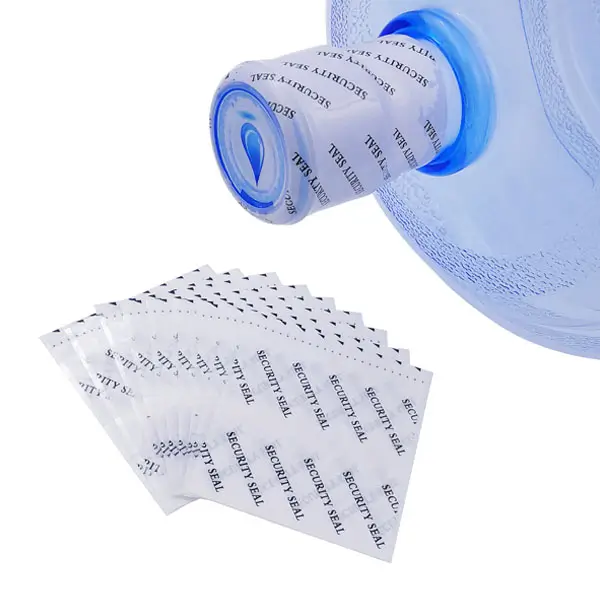
    For 5-gallon bottles, the label is generally placed around the mouth and neck.

    5 gallon label

    As explained, labeling machine is also a must for water plant.

    Shrink Wrapping Machine

    packaging machine

    Shrink wrapping machines are used in bottled water production lines to provide an additional layer of packaging for multiple bottles, making them easier to handle, store, transport, and display.

    Shrink wrapping machine is only needed for 200ml to 2L water bottles.

    If you need further details on any specific machine or advice on setting up your water plant, feel free to ask!