Author: Tang, Lei

  • Is Bottled Water Profitable in Developing Countries? Opportunities for Startups

    Did you know that the bottled water market in developing countries is projected to grow by over 8% annually in the next decade? As urbanization accelerates and access to clean tap water remains a challenge in many regions, bottled water is becoming a necessity rather than a luxury. For entrepreneurs, this presents a golden opportunity to enter a booming industry. But the question remains: Is bottled water profitable in developing countries, and how can startups succeed in this competitive landscape?

    In this article, we’ll explore the profitability of bottled water businesses in developing countries, highlight key opportunities for startups, and provide insights on how to get started. With reliable equipment being the backbone of any successful water production business, companies like New Haiguang, with over 20 years of experience and exports to more than 60 countries, are helping startups turn their vision into reality.

    Why Bottled Water Is in Demand in Developing Countries

    Market Drivers

    The demand for bottled water in developing countries is driven by several key factors. First, unreliable tap water is a common issue, with many regions lacking access to safe drinking water. According to the World Health Organization, over 2 billion people globally still lack safely managed drinking water services, with a significant portion residing in developing nations. This creates a strong reliance on bottled water as a safe alternative.

    Second, growing health awareness among consumers is boosting demand. As people become more conscious of the risks associated with contaminated water, they are turning to bottled water as a trusted solution. Additionally, rapid urbanization and rising disposable incomes are fueling the growth of convenience-driven products like bottled water, especially in urban centers.

    Consumer Preferences

    Consumer preferences in developing countries vary depending on usage and affordability. Small bottles (200ml to 2L) are popular for daily use, such as on-the-go hydration, school lunches, and small retail purchases. Meanwhile, 5-gallon bottles are in high demand for households, offices, and schools, where bulk water is needed for drinking, cooking, and other purposes. Understanding these preferences is crucial for startups to choose the right production focus and equipment.

    Market Growth Data

    The bottled water market in developing regions like Africa, Southeast Asia, and Latin America is experiencing significant growth. For example, a report by Grand View Research projects that the African bottled water market will grow at a compound annual growth rate (CAGR) of over 7% from 2023 to 2030, driven by population growth and water scarcity. Similarly, Southeast Asia is seeing a surge in demand due to urbanization and tourism. These trends indicate a ripe opportunity for new entrants to capture market share.

    Profitability Factors for Bottled Water Startups

    Low Production Costs

    One of the biggest advantages of starting a bottled water business in a developing country is the relatively low production costs. Labor costs are often lower compared to developed markets, and raw materials, such as plastic for bottles, are widely available at competitive prices. Additionally, energy-efficient equipment can further reduce operational expenses, making it easier to achieve healthy profit margins.

    High Demand, Low Competition

    In many developing countries, the bottled water market is underserved, particularly in rural and semi-urban areas. While large multinational brands dominate major cities, smaller local brands have the opportunity to fill gaps in distribution and cater to niche markets. This high demand, coupled with relatively low competition in certain regions, creates a favorable environment for startups to establish a foothold.

    Scalability

    Bottled water businesses are highly scalable, making them an attractive option for entrepreneurs. Startups can begin with a small production line, such as a 200ml-2L small bottle water production line, to test the market and build a customer base. As demand grows, they can invest in additional equipment, such as 5-gallon water filling machines, to expand into new segments. This scalability allows startups to grow at their own pace while managing financial risks.

    Challenges to Consider

    Infrastructure Limitations

    While the opportunities are significant, startups must also navigate challenges inherent to developing countries. Unreliable electricity and poor water quality are common issues that can disrupt production. However, these challenges can be mitigated with the right equipment. For example, investing in a high-quality commercial RO water purifier ensures a consistent supply of clean water, regardless of the source. Additionally, choosing energy-efficient equipment can reduce dependency on unstable power grids.

    Regulatory Compliance

    Compliance with local health and safety regulations is another critical consideration. Many developing countries have strict standards for bottled water quality, requiring startups to test and certify their products. Using reliable equipment, such as small bottle water bottling machines designed to meet international standards, can help startups pass inspections and build consumer trust.

    Distribution Challenges

    Logistics can be a hurdle in developing countries, where road infrastructure may be underdeveloped, and distribution networks may be fragmented. Efficient packaging is key to overcoming this challenge. For example, using a shrink-wrap machine for bottles ensures that products are securely packaged for transport, reducing damage and costs. Startups should also consider partnering with local distributors to expand their reach.

    Opportunities for Startups

    Niche Markets

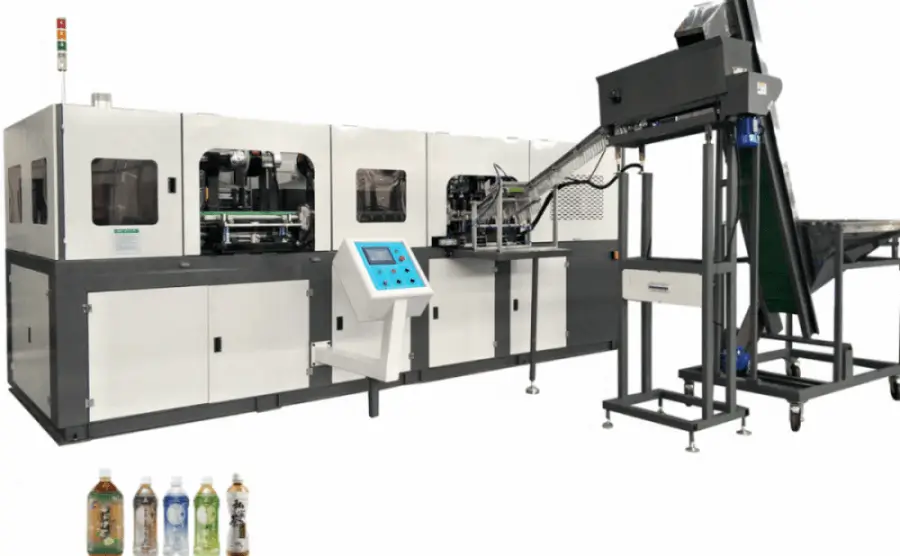
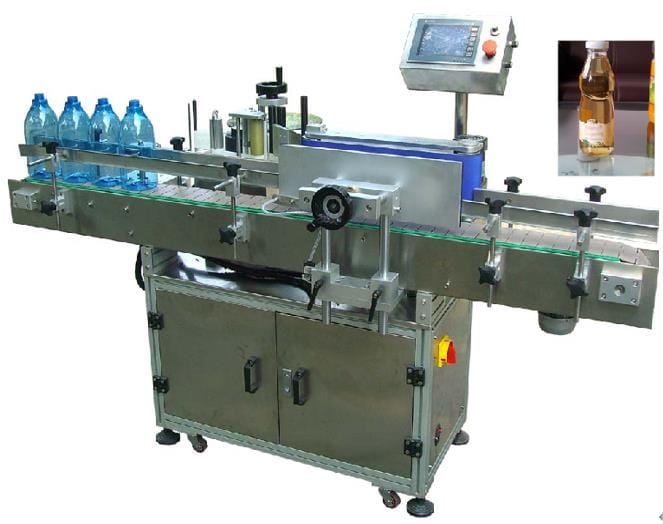
    One of the most exciting opportunities for startups is the ability to target niche markets. For instance, premium bottled water brands, which emphasize purity or added minerals, are gaining traction among health-conscious consumers. Startups can also explore flavored water or eco-friendly packaging to differentiate themselves. Equipment like bottle blowing machines allows startups to create custom bottle designs that enhance brand appeal, while bottle labelling machines ensure professional and compliant labeling.

    Partnerships

    Strategic partnerships can be a game-changer for startups. For example, securing bulk orders from schools, offices, or hospitals for 5-gallon bottles can provide a steady revenue stream. Similarly, partnering with local retailers or restaurants can help startups distribute small bottles to a wider audience. These partnerships not only boost sales but also enhance brand visibility.

    Export Potential

    For startups in developing countries, the potential to export to neighboring regions is a significant opportunity. With growing demand across borders, a well-equipped production facility can serve as a hub for regional distribution. Companies like New Haiguang, with a global network of over 500 clients and exports to 60+ countries, can provide the expertise and equipment needed to scale into international markets.

    How to Get Started with the Right Equipment

    Choosing the Right Production Line

    The first step to launching a successful bottled water business is choosing the right production line. New Haiguang offers a range of solutions tailored to different market needs, including 200ml-2L small bottle water production lines, 3L-10L bottle water production lines, and 5-gallon bucket water production lines. For startups, starting with a small bottle line is often the most cost-effective way to enter the market, with the option to scale up later.

    Essential Equipment

    A complete bottled water production line requires several key pieces of equipment, each serving a specific function:

    Support Services

    Starting a bottled water business can be daunting, but you don’t have to do it alone. New Haiguang provides professional installation guidance to ensure your production line is set up correctly from day one. Additionally, our lifelong consultation services mean you’ll have expert support at every stage of your business journey. Ready to get started? Contact us to discuss your needs and explore our solutions.

    Conclusion

    The bottled water market in developing countries offers immense profitability potential for startups, driven by high demand, low competition, and scalability. While challenges like infrastructure limitations and regulatory compliance exist, they can be overcome with the right strategy and equipment. From targeting niche markets to forming strategic partnerships, the opportunities for new entrants are vast and exciting.

    If you’re ready to launch your bottled water business, New Haiguang is here to help. With over 20 years of experience, a global network of 500+ clients, and a full range of production equipment, we have the expertise to turn your vision into reality. With the right strategy and equipment, your bottled water startup can thrive in the growing markets of developing countries.
  • Targeting Niche Markets: How to Launch a Premium Bottled Water Brand

    The bottled water industry is vast, but standing out in a crowded market requires more than just offering clean drinking water. For entrepreneurs looking to make a splash, targeting niche markets with a premium bottled water brand is a strategic way to differentiate your product, build a loyal customer base, and command higher profit margins. By focusing on specific consumer needs—whether it’s health benefits, sustainability, or luxury—you can create a brand that resonates deeply with your target audience.

    At New Haiguang, we’ve helped numerous clients launch successful bottled water businesses, including those targeting niche markets. With over 20 years of experience and a global footprint in 60+ countries, we provide the equipment and expertise needed to produce high-quality, premium bottled water. In this guide, we’ll walk you through the steps to launch a premium bottled water brand that captures the attention of niche markets.

    What Is a Niche Market and Why Target It?

    A niche market is a specific, often underserved segment of a larger market. In the bottled water industry, niche markets could include:

    • Health-conscious consumers seeking functional benefits like alkaline water or mineral-infused options.
    • Eco-friendly advocates looking for sustainable packaging and environmentally responsible sourcing.
    • Luxury seekers who value exclusivity, such as water from rare springs or exotic locations.

    Targeting a niche market allows your brand to:

    • Differentiate from competitors: By catering to unique needs, you avoid competing solely on price.
    • Build brand loyalty: Niche consumers are often more passionate and willing to pay a premium for products that align with their values.
    • Reduce competition: Focusing on a specific segment can help you dominate a smaller market rather than struggling in a saturated one.

    For example, brands like Fiji Water have successfully targeted the luxury market with their artisanal sourcing, while others like Boxed Water appeal to eco-conscious consumers with sustainable packaging.

    Step 1: Conduct Market Research to Identify Your Niche

    Before launching your premium bottled water brand, it’s essential to understand your target niche. Thorough market research will help you identify opportunities and refine your product offering.

    • Understand your audience: What are their pain points, preferences, and values? For instance, health-focused consumers may prioritize water with added electrolytes, while eco-conscious buyers may seek biodegradable bottles.
    • Analyze the competition: Study existing brands in your chosen niche. What are their strengths and weaknesses? How can your brand offer something unique?
    • Evaluate market size and growth potential: Ensure your niche is large enough to sustain your business but not so broad that it loses its distinct appeal.

    By identifying the right niche, you can tailor your product, branding, and marketing to meet specific consumer demands.

    Step 2: Develop a Unique Selling Proposition (USP)

    Your USP is what sets your premium bottled water apart from the competition. For a niche market, your USP should directly address the unique needs or desires of your target audience.

    • Water source: Consider sourcing water from a rare or pristine location, such as a mountain spring or glacier, to appeal to luxury or purity-focused consumers.
    • Functional benefits: Add health benefits like electrolytes, vitamins, or alkaline properties for health-conscious buyers.
    • Sustainability: Use eco-friendly packaging, such as recyclable or plant-based bottles, to attract environmentally aware consumers.
    • Luxury appeal: Offer limited-edition bottles or partner with high-end designers for exclusive packaging.

    For example, a brand targeting fitness enthusiasts might offer water with added electrolytes, while a luxury brand could emphasize its water’s exotic origin and sleek bottle design.

    Step 3: Invest in High-Quality Production Equipment

    Producing premium bottled water requires equipment that ensures the highest standards of purity, consistency, and efficiency. At New Haiguang, we provide state-of-the-art machinery designed to meet the demands of niche markets.

    • Water purification: Our commercial RO water purifiers use reverse osmosis technology to remove impurities, ensuring your water meets the highest quality standards—essential for health-focused or luxury brands.
    • Bottle design: With our bottle blowing machines, you can create custom bottle shapes and sizes that reflect your brand’s identity, whether it’s sleek and modern or eco-friendly and minimalist.
    • Filling and packaging: Our small bottle water bottling machines and shrink-wrap machines ensure efficient, hygienic production and packaging, maintaining the premium quality of your product.

    Investing in reliable equipment is crucial for delivering a product that meets the expectations of discerning niche consumers.

    Step 4: Design Branding and Packaging That Resonates

    Your branding and packaging are the first things consumers notice, making them critical for a premium brand. They should reflect the values and aesthetics of your niche market.

    • Visual identity: Create a logo, color scheme, and bottle design that align with your brand’s story. For example, a luxury brand might use minimalist, elegant designs, while an eco-friendly brand could opt for earthy tones and natural imagery.
    • Labeling: Use a professional labeling machine to ensure your labels are applied consistently and include key information like sourcing, benefits, and certifications.
    • Sustainable packaging: If targeting eco-conscious consumers, consider biodegradable or recyclable materials. Highlight these features on your packaging to reinforce your brand’s commitment to sustainability.

    Your packaging should not only look appealing but also communicate your brand’s unique value proposition.

    Step 5: Choose the Right Distribution and Marketing Channels

    To reach your niche market effectively, you need to select distribution and marketing channels that align with your audience’s habits.

    • Specialty stores: Partner with health food stores, gyms, or luxury retailers that cater to your target demographic.
    • Online platforms: Sell directly through your website or niche e-commerce sites. Subscription models can also build loyalty among repeat customers.
    • Influencer partnerships: Collaborate with influencers or bloggers who resonate with your niche, whether they’re fitness experts, sustainability advocates, or luxury lifestyle personalities.
    • Experiential marketing: Host tasting events or sponsor niche events (e.g., wellness retreats or eco-friendly festivals) to introduce your brand to potential customers.

    By focusing on targeted channels, you can maximize your marketing budget and build a strong presence within your niche.

    Step 6: Ensure Compliance and Quality Assurance

    Premium brands must meet high standards of quality and compliance, especially in niche markets where consumers are discerning.

    • Certifications: Obtain relevant certifications, such as organic, non-GMO, or eco-friendly labels, to build trust with your audience.
    • Quality control: Implement rigorous testing protocols to ensure your water consistently meets safety and quality standards.
    • Transparency: Be open about your sourcing, purification process, and sustainability practices. Niche consumers value authenticity and are more likely to support brands that share their values.

    At New Haiguang, our equipment is designed to meet global standards, making it easier for you to achieve compliance and deliver a product that exceeds expectations.

    Conclusion

    Launching a premium bottled water brand in a niche market is a powerful way to differentiate your business and build a loyal customer base. By conducting thorough market research, developing a unique selling proposition, and investing in high-quality equipment, you can create a product that resonates with discerning consumers. At New Haiguang, we’re here to support your journey with our industry-leading production lines, water treatment systems, and packaging solutions.

    Ready to take the next step? Explore our range of bottle water production equipment or contact us for personalized guidance on launching your premium bottled water brand. With New Haiguang as your partner, you’ll have the tools and expertise to succeed in even the most competitive niche markets.

  • Why Bottled Water Is a Booming Business: Trends to Watch in 2025

    The bottled water industry is experiencing robust growth, making it a compelling sector for entrepreneurs looking to start a water bottling business. This analysis delves into the market size, growth projections, driving factors, and key trends expected in 2025, providing a comprehensive overview for potential business owners. The content is informed by market research reports and industry insights, ensuring accuracy and relevance for decision-making.

    Market Size and Growth Projections

    The global bottled water market is on a strong growth trajectory, with significant projections for 2025. According to a report by MarketsandMarkets, the market is projected to reach USD 347.6 billion by 2026, growing at a CAGR of 8.5% from 2021 to 2026 [1]. To estimate the market size for 2025, calculations based on this growth rate suggest a figure of approximately USD 277 billion, reflecting the industry’s expansion driven by consumer demand and market penetration.

    This projection is derived from the following calculation:

    • Assuming a market size of approximately USD 200 billion in 2021 (based on prior data trends), and applying an 8.5% annual growth rate:
      • 2022: 200 * 1.085 ≈ 217 billion
      • 2023: 217 * 1.085 ≈ 235.4 billion
      • 2024: 235.4 * 1.085 ≈ 255.4 billion
      • 2025: 255.4 * 1.085 ≈ 277.3 billion

    This estimate aligns with the industry’s expected growth, highlighting the opportunity for new entrants to capitalize on a rapidly expanding market.

    Factors Driving Growth

    Several key factors are fueling the boom in the bottled water industry, each contributing to increased consumer preference and market expansion:

    • Health Consciousness: Increasing awareness of the importance of hydration and the health benefits of drinking pure water is a major driver. Consumers are more likely to choose bottled water as part of a healthy lifestyle, especially with the rise of fitness culture and wellness trends.
    • Concerns Over Tap Water Quality: In many regions, concerns about the safety, taste, and contamination of tap water lead consumers to opt for bottled alternatives. This is particularly evident in areas where infrastructure for clean water is lacking or unreliable.
    • Convenience and Accessibility: Bottled water’s availability in retail outlets, vending machines, and online platforms caters to busy, on-the-go lifestyles, making it a convenient choice for consumers.
    • Rising Disposable Incomes: As economies grow, particularly in developing countries, consumers have more disposable income to spend on premium and convenient products like bottled water, further driving demand.

    These factors collectively create a fertile ground for market expansion, offering opportunities for new businesses to meet diverse consumer needs.

    Key Trends to Watch in 2025

    As we approach 2025, several trends are shaping the bottled water industry, each presenting unique opportunities and challenges for new entrants. These trends are informed by consumer behavior shifts, technological advancements, and market dynamics:

    1. Sustainability and Eco-Friendly Packaging:
      • Consumers are increasingly environmentally conscious, demanding brands that prioritize sustainability. This trend is driven by concerns over plastic waste and environmental impact, leading to a preference for recyclable and biodegradable packaging.
      • Companies are responding by using materials like PET bottles made from recycled content and exploring alternatives such as plant-based plastics. For new businesses, investing in eco-friendly packaging can enhance brand appeal and meet regulatory pressures.
    2. Premiumization:
      • There is a growing market for premium and natural mineral water, often marketed as having unique health benefits or sourced from specific regions like mountain springs or volcanic areas.
      • This trend allows for brand differentiation, with consumers willing to pay higher prices for perceived quality and exclusivity. New businesses can target this niche by focusing on high-quality water treatment and unique branding.
    3. Functional Water:
      • Water infused with vitamins, minerals, or other health-enhancing ingredients is gaining popularity, catering to health-conscious consumers seeking added benefits.
      • This segment offers opportunities for innovation, such as water with electrolytes for athletes or immunity-boosting formulas, potentially commanding higher prices and creating a competitive edge.
    4. Technological Advancements:
      • Advanced water purification technologies, such as reverse osmosis and ultraviolet treatment, ensure higher quality and safety, meeting stringent regulatory standards.
      • Smart packaging solutions, like RFID tags for tracking and authenticity, are becoming more common, enhancing supply chain transparency and consumer trust.
      • For new businesses, adopting these technologies can improve product quality and operational efficiency, crucial for competing in a crowded market.
    5. Expansion in Emerging Markets:
      • Significant growth is expected in regions like Asia Pacific and Latin America, driven by urbanization, increasing middle-class populations, and rising demand for safe drinking water.
      • These markets offer untapped potential for new entrants, especially as infrastructure development lags behind population growth, increasing reliance on bottled water.

    Opportunities for New Businesses

    For entrepreneurs looking to start a water bottling business, understanding these trends is essential for strategic planning. The following opportunities can be leveraged:

    • Cater to Niche Markets: Focus on premium or functional water to stand out in a competitive landscape, targeting health-conscious or environmentally aware consumers.
    • Embrace Sustainability: Invest in eco-friendly packaging and energy-efficient production methods to align with consumer preferences and regulatory trends, enhancing brand reputation.
    • Target Emerging Markets: Consider expanding into regions with high growth potential, such as Asia Pacific and Latin America, where demand is rising due to urbanization and economic growth.
    • Leverage Technology: Use advanced equipment for water treatment and packaging to ensure product quality, efficiency, and compliance with global standards, positioning the business for scalability.

    These opportunities highlight the importance of aligning business strategies with market trends, ensuring long-term success in a dynamic industry.

    Conclusion

    The bottled water industry is poised for continued growth in 2025, driven by consumer preferences for health, convenience, and sustainability. For those looking to start a business in this sector, staying informed about these trends and investing in quality equipment is key to success. New Haiguang, with over 20 years of experience and a track record of supporting over 500 clients across 60+ countries, offers state-of-the-art water production equipment to help new businesses thrive. Visit our website or contact us for personalized advice on starting your venture.

  • How Do I Start a Water Bottling Business?

    The global demand for bottled water is skyrocketing. With growing health consciousness, urbanization, and water scarcity issues in many regions, bottled water has become a staple for millions of consumers. For entrepreneurs, this presents a lucrative opportunity to enter a scalable and profitable industry. Starting a water bottling business may seem daunting, but with the right guidance and equipment, it’s a venture that can yield significant returns.

    At New Haiguang, we’ve been helping entrepreneurs like you launch successful water bottling businesses for over 20 years. With our expertise and high-quality equipment, we’ve supported over 500 clients across 60+ countries. In this guide, we’ll walk you through the essential steps to start your own water bottling business, from market research to launching your brand.

    Step 1: Conduct Market Research

    Before diving into the bottled water industry, it’s crucial to understand your target market. Conducting thorough market research will help you identify opportunities, understand consumer needs, and position your business for success.

    • Identify your target audience: Are you catering to retail consumers, offices, gyms, or bulk delivery services? Each segment has unique needs, such as bottle size, pricing, and delivery options.
    • Analyze competitors: Study local and regional bottled water brands. What bottle sizes do they offer? How do they price their products? What branding strategies do they use?
    • Understand regulations: Familiarize yourself with local water quality standards and bottling regulations. Compliance is key to building trust and avoiding legal issues.
    • Explore trends: The bottled water market is evolving. Eco-friendly packaging and premium water brands are gaining popularity. Consider how your business can tap into these trends.

    By understanding your market, you can tailor your production line to meet specific demands. At New Haiguang, we offer a range of bottle water production lines designed to suit various business needs, from small startups to large-scale operations.

    Step 2: Develop a Business Plan

    A solid business plan is the foundation of any successful venture. It will help you define your goals, estimate costs, and secure funding.

    • Set clear goals: Determine your production capacity, revenue targets, and growth timeline. Will you start with a small operation and scale up, or aim for high-volume production from the beginning?
    • Estimate startup costs: Factor in the cost of equipment, facility rental, licensing, and marketing. Don’t forget operational expenses like utilities and labor.
    • Plan your funding: Decide how you’ll finance your business. Will you use personal savings, seek investors, or apply for loans?
    • Create a timeline: Outline key milestones, such as equipment installation, factory setup, and your official launch date.

    Investing in reliable, cost-effective equipment is critical to keeping your startup costs manageable. New Haiguang’s production lines are designed to offer durability and efficiency, ensuring long-term value for your business.

    Step 3: Choose Your Water Source and Purification Method

    Water quality is the backbone of your business. Consumers expect clean, safe, and great-tasting water, so choosing the right source and purification method is essential.

    • Select a water source: Common options include spring water, municipal water, or well water. Each has its pros and cons in terms of cost, availability, and quality.
    • Purify your water: Regardless of the source, purification is necessary to meet safety standards. Reverse osmosis (RO) is the industry gold standard, removing impurities and ensuring consistent quality.
    • Ensure compliance: Your water must meet local and international standards for bottled water, such as those set by the FDA or WHO.

    At New Haiguang, we specialize in commercial RO water purifiers that guarantee the highest water quality, helping you build a brand consumers can trust.

    Step 4: Select the Right Production Line

    Choosing the right production line is a critical decision that will impact your business’s scalability and profitability.

    • Explore your options: New Haiguang offers production lines for various bottle sizes, including small bottle (200ml-2L) and 5-gallon options. Small bottles are ideal for retail, while 5-gallon jugs are popular for offices and bulk delivery.
    • Consider production capacity: Match your equipment to your target output. Startups often begin with smaller lines and scale up as demand grows.
    • Prioritize automation: Automated production lines increase efficiency, reduce labor costs, and ensure consistent quality.

    Our team at New Haiguang can help you select the perfect production line based on your business goals and budget. With our equipment, you’ll be equipped to meet market demands from day one.

    Step 5: Design Your Bottles and Packaging

    Your bottles and packaging are more than just containers—they’re a key part of your brand identity. A well-designed bottle can set you apart from competitors and attract customers.

    • Customize your bottles: Use a bottle blowing machine to create unique shapes and sizes that reflect your brand.
    • Label effectively: Labels must include essential information like nutritional facts and your logo. A professional labeling machine ensures accuracy and consistency.
    • Package efficiently: Proper packaging, such as shrink wrapping, protects your products during transport. Our shrink-wrap machines are designed for durability and efficiency.

    Investing in high-quality design and packaging equipment will help your brand make a strong first impression.

    Step 6: Set Up Your Production Facility

    Your production facility is the heart of your business. A well-planned setup ensures smooth operations and compliance with safety standards.

    • Choose the right location: Look for a site with access to water, power, and transportation. Proximity to your water source can reduce costs.
    • Design an efficient layout: Organize your factory for optimal workflow, with dedicated areas for water treatment, filling, labeling, and packaging.
    • Ensure safety and compliance: Follow local health and safety regulations to protect your workers and products.

    New Haiguang offers professional installation guidance to help you set up your facility efficiently. Our team ensures your equipment is installed correctly and ready for production.

    Step 7: Obtain Necessary Licenses and Certifications

    Operating a bottled water business requires compliance with various legal requirements. Failing to secure the proper licenses can lead to costly delays or fines.

    • Research local regulations: Understand the permits needed for water extraction, production, and distribution in your region.
    • Meet quality standards: Ensure your water meets standards set by organizations like the FDA or WHO.
    • Consider certifications: Obtaining certifications like ISO can boost your brand’s credibility and appeal to health-conscious consumers.

    New Haiguang’s equipment is designed to meet global standards, making it easier for you to achieve compliance and build trust with your customers.

    Step 8: Launch and Market Your Business

    With your production line in place, it’s time to launch your brand and attract customers.

    • Develop your brand identity: Create a memorable logo, slogan, and bottle design that reflects your brand’s values.
    • Create a marketing plan: Use social media, local advertising, and partnerships to reach your target audience. Consider offering promotions or samples to generate buzz.
    • Plan a launch event: Host an event or promotion to introduce your brand to the community and attract initial customers.

    High-quality equipment ensures your product meets consumer expectations, making your marketing efforts more effective. With New Haiguang’s reliable machinery, you can confidently deliver a premium product.

    Step 9: Partner with a Reliable Equipment Supplier

    Choosing the right equipment supplier is one of the most important decisions you’ll make. A trusted partner can provide not only high-quality machinery but also ongoing support to help your business thrive.

    • Look for experience: New Haiguang has over 20 years of experience in the industry, with a proven track record of success.
    • Ensure global reach: We’ve helped over 500 clients in 60+ countries launch and scale their businesses.
    • Prioritize support: From professional installation to lifelong consultation, New Haiguang is committed to your success.

    Explore our full range of solutions on the New Haiguang homepage or contact us for personalized guidance on starting your water bottling business.

    Conclusion

    Starting a water bottling business is an exciting and rewarding venture. By following these steps—conducting market research, developing a business plan, choosing the right equipment, and partnering with a trusted supplier—you’ll be well on your way to success. At New Haiguang, we’re here to support you every step of the way, from selecting the perfect production line to ensuring your facility runs smoothly.

    Ready to take the next step? Explore our bottle water production lines or contact our team for expert advice tailored to your business needs. With New Haiguang by your side, your water bottling business is set for success.

  • Water bottling plant explained & how to start one

    In today’s health-conscious and fast-paced world, the demand for clean, safe drinking water has never been higher. This growing need has made bottled water one of the most profitable and accessible business opportunities for entrepreneurs worldwide. But behind every bottle of water on the shelf is a complex and highly efficient process—one that takes place in a water bottling plant. If you’re considering entering the bottled water industry, understanding what a water bottling plant is and how it operates is the first step toward building a successful business.

    A water bottling plant is a specialized facility where raw water is transformed into purified, packaged drinking water ready for consumers. It involves a series of critical steps: sourcing water, purifying it to meet safety standards, filling it into bottles, labeling, and packaging for distribution. Each of these steps requires precision, hygiene, and the right equipment to ensure the final product is of the highest quality.

    For new entrepreneurs, setting up a water bottling plant might seem daunting, but with the right guidance and equipment, it can be a rewarding venture. In this guide, we’ll break down the essential components of a water bottling plant, explore the different types of plants available, and highlight the benefits and challenges of starting your own bottled water business. By the end, you’ll have a clear understanding of what it takes to launch a successful operation—and how New Haiguang can be your trusted partner every step of the way.

    Core Components of a Water Bottling Plant

    A water bottling plant is made up of several key components, each playing a vital role in ensuring the water is safe, the bottles are durable, and the final product is market-ready. Let’s explore these components in detail:

    Water Source and Treatment

    The foundation of any bottled water business is the water itself. Whether you’re sourcing from a natural spring, well, or municipal supply, the water must be purified to meet strict health and safety standards. This is where water treatment comes in. Using advanced technologies like Reverse Osmosis (RO), impurities, contaminants, and harmful microorganisms are removed, ensuring the water is clean and safe for consumption.

    At New Haiguang, we specialize in providing state-of-the-art water treatment equipment, including RO systems that are essential for any bottling plant. Our solutions are designed to meet the needs of startups and established businesses alike, ensuring your water quality is never compromised.

    Bottle Production

    Once the water is purified, it needs to be packaged in bottles that are not only functional but also visually appealing. Bottle production is a critical step, especially for businesses looking to create a strong brand identity. Using blow molding machines, you can produce custom-designed bottles in various sizes, from 200ml to 10L, tailored to your target market.

    New Haiguang offers high-quality bottle blowing machines that allow you to create bottles efficiently and cost-effectively, giving your brand a competitive edge.

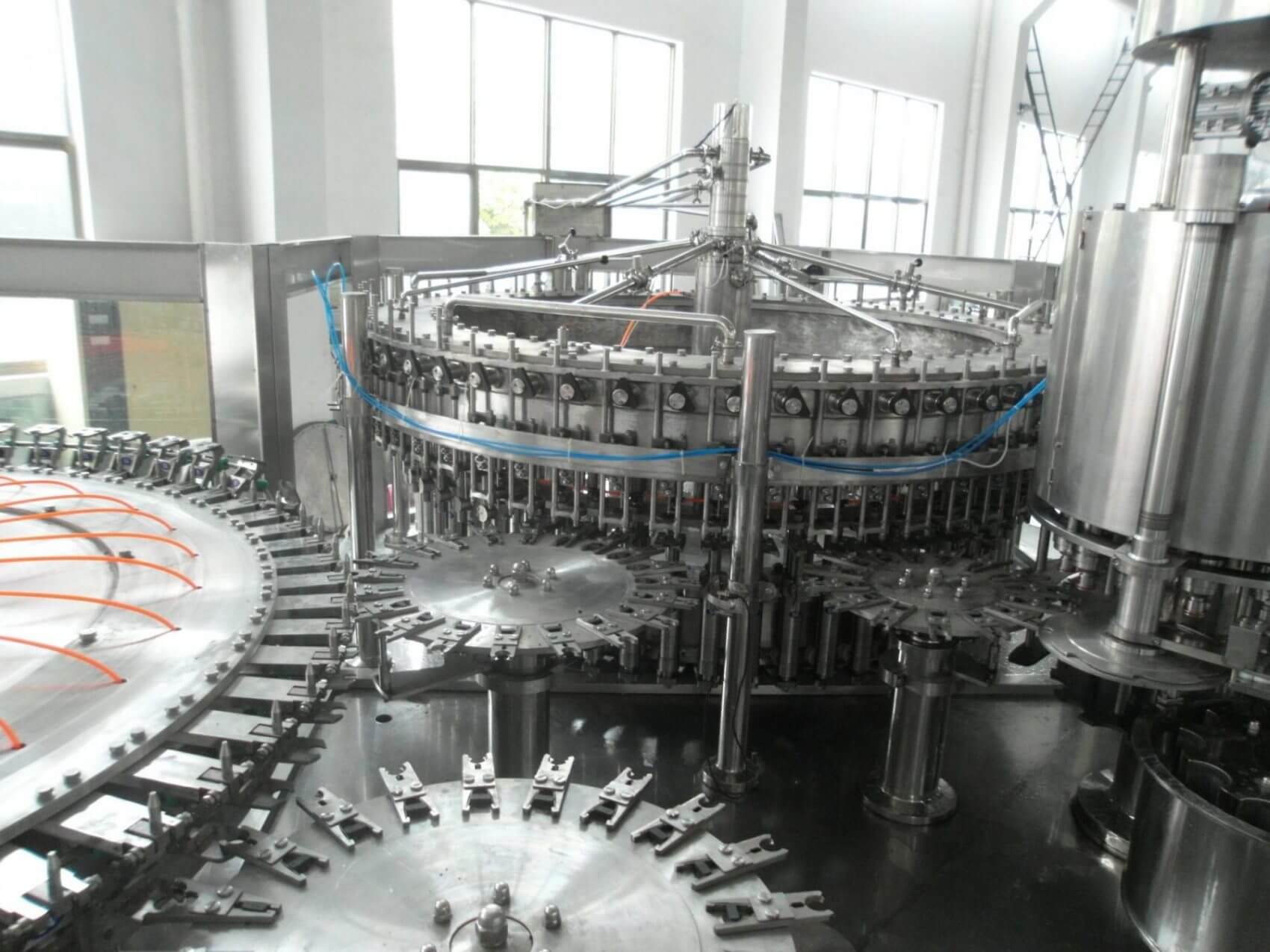
    Filling and Capping

    After the bottles are ready, the next step is filling and capping. This process involves filling the bottles with purified water and sealing them with caps to maintain hygiene and prevent contamination. Depending on your production scale, you can choose from manual, semi-automatic, or fully automatic filling machines.

    For startups, New Haiguang provides a range of filling solutions, including small bottle filling machines for 200ml-2L bottles and 5-gallon filling machines for larger operations. Our equipment ensures precision, speed, and reliability, helping you maintain consistent production.

    Labeling

    Labeling is more than just adding a sticker to a bottle—it’s about branding, compliance, and consumer trust. A well-designed label not only makes your product stand out on the shelf but also provides essential information like ingredients, expiration dates, and certifications.

    New Haiguang’s labeling machines are designed to handle various bottle sizes and label types, ensuring your products are market-ready and compliant with industry standards.

    Packaging

    The final step in the bottling process is packaging. Once the bottles are filled, capped, and labeled, they need to be packed for distribution. This typically involves shrink-wrapping bottles into bundles or cases, making them easier to transport and store.

    Our shrink-wrap machines are perfect for startups looking to streamline their packaging process, ensuring your products are securely packed and ready for the market.

    Types of Water Bottling Plants

    Water bottling plants come in different scales and configurations, each suited to specific business goals and market demands. Understanding the differences will help you choose the right setup for your startup.

    Small-Scale Bottling Plants

    Ideal for new entrepreneurs or businesses targeting niche markets, small-scale plants typically produce 200ml to 2L bottles. These plants require a lower initial investment and are perfect for local or regional distribution.

    New Haiguang’s small bottle production lines are designed with startups in mind, offering scalability and efficiency without compromising on quality.

    Medium-Scale Bottling Plants

    For businesses aiming to serve larger markets or expand their product range, medium-scale plants produce 3L to 10L bottles. These plants strike a balance between production capacity and cost, making them a great option for growing businesses.

    Explore New Haiguang’s production line solutions to find the perfect fit for your medium-scale operation.

    Large-Scale Bottling Plants

    Large-scale plants are designed for high-volume production, often focusing on 5-gallon bottles for bulk markets like offices, schools, and events. These plants require significant investment but offer high returns due to their efficiency and automation.

    New Haiguang’s 5-gallon production lines are trusted by businesses worldwide for their reliability and performance.

    Benefits of Setting Up a Water Bottling Plant

    Starting a water bottling plant offers numerous benefits, both for your business and the community you serve:

    • Business Opportunities: The bottled water industry is booming, with global demand expected to grow in the coming years. Whether you’re targeting local consumers or international markets, the potential for profitability is immense.
    • Consumer Benefits: By providing clean, safe drinking water, you’re contributing to public health and well-being. In regions where tap water is unreliable, bottled water is a lifeline.
    • Environmental Considerations: With the right equipment, you can adopt sustainable practices, such as energy-efficient production and recyclable packaging, reducing your environmental footprint.

    At New Haiguang, we’re committed to helping you build a business that’s not only profitable but also responsible. Our equipment is designed for efficiency, helping you minimize waste and energy consumption.

    Challenges and Solutions for New Water Bottling Plants

    While the bottled water industry is full of opportunities, it also comes with its share of challenges. Here’s how you can overcome them with the right support:

    High Initial Costs

    Challenge: Setting up a bottling plant requires a significant upfront investment in equipment, infrastructure, and compliance.

    Solution: Choose durable, high-quality equipment that offers long-term value. New Haiguang’s 20+ years of experience ensures you get reliable solutions that minimize maintenance costs and downtime.

    Regulatory Compliance

    Challenge: Meeting local and international water quality standards can be complex and time-consuming.

    Solution: Invest in advanced water treatment systems, like New Haiguang’s RO water purifiers, to ensure your water meets all safety requirements.

    Installation and Maintenance

    Challenge: Installing and maintaining bottling equipment can be daunting for new business owners.

    Solution: Partner with a provider that offers professional installation guidance and lifelong support. New Haiguang’s team is here to help you every step of the way, from setup to ongoing maintenance.

    Why Choose New Haiguang for Your Water Bottling Plant

    When it comes to setting up a water bottling plant, choosing the right partner is just as important as selecting the right equipment. Here’s why New Haiguang is the trusted choice for entrepreneurs worldwide:

    • 20+ Years of Experience: Since 2004, we’ve been at the forefront of drinking water production technology, helping businesses succeed.
    • Global Reach: With over 500 clients in 60+ countries, our equipment is trusted by businesses of all sizes.
    • Comprehensive Solutions: From water treatment to packaging, we offer everything you need to build a complete bottling plant.
    • Lifelong Support: Our relationship doesn’t end after installation. We provide ongoing consultation and support to ensure your business thrives.

    Ready to see our equipment in action? Explore our product videos or contact us for personalized advice on starting your bottled water business.

    Conclusion

    A water bottling plant is more than just a factory—it’s the heart of a business that provides an essential product to consumers worldwide. From sourcing and purifying water to bottling, labeling, and packaging, every step requires precision, expertise, and the right equipment.

    As you embark on your journey to start a bottled water business, remember that success begins with choosing the right partner. With New Haiguang’s industry-leading equipment, professional installation guidance, and lifelong support, you’ll be well-equipped to build a thriving operation.

    Take the first step today—visit New Haiguang to explore our solutions or contact our team for a consultation. Your bottled water empire awaits!

  • How Much Does It Cost to Start a Water Bottling Plant?

    Introduction

    The global demand for bottled water continues to rise, driven by consumer preferences for convenience, health, and sustainability. For entrepreneurs, this trend presents a golden opportunity to enter the drinking water production industry. Starting a small water bottling plant can be a profitable venture, but one of the first questions aspiring business owners ask is: How much will it cost?

    The answer depends on several factors, including the scale of your operation, the type of equipment you choose, and your location. In this article, we’ll provide a detailed breakdown of the costs involved in setting up a small water bottling plant, with a focus on small bottle production (200ml–2L). Whether you’re a startup entrepreneur or an investor, this guide will help you plan your budget and make informed decisions.

    Key Factors Influencing Costs

    Before diving into the numbers, it’s important to understand the key variables that impact the cost of starting a small water bottling plant. These factors will help you estimate your budget and tailor your setup to your business goals:

    • Production Capacity: How many bottles do you plan to produce per hour? A small plant might aim for 2,000–5,000 bottles per hour, which influences the size and cost of equipment.
    • Water Source and Treatment: The quality of your water source determines the level of treatment required, affecting equipment costs.
    • Bottle Size and Packaging: Small bottles (200ml–2L) are popular for retail, but the type of packaging (e.g., PET bottles) impacts machinery choices.
    • Location and Infrastructure: Costs for renting or building a facility, as well as utilities like electricity and water, vary by region.
    • Regulatory and Licensing Costs: Compliance with local health, safety, and environmental regulations can add to your startup expenses.

    By understanding these factors, you can create a realistic budget and avoid unexpected costs down the line.

    Breakdown of Major Cost Categories

    To give you a clear picture, let’s break down the costs into major categories. These estimates are based on industry standards and assume a small-scale operation producing 200ml–2L bottled water.

    Equipment Costs

    Investing in reliable, high-quality equipment is the cornerstone of a successful water bottling plant. For a small operation, you’ll need the following essential machines to form a complete production line:

    • Water Treatment Equipment: Clean, safe water is the foundation of your business. Reverse osmosis (RO) purifiers are commonly used to remove impurities and ensure compliance with health standards. A commercial RO system for a small plant typically costs between $3,000 and $30,000, depending on capacity. Learn more about our commercial RO water purifiers.
    • Small Bottle Water Bottling Machine: This machine handles filling, capping, and sealing small bottles (200ml–2L). For a small-scale setup, expect to spend $11,000–$30,000, depending on automation and capacity. Check out our range of small bottle water bottling machines.
    • Bottle Blowing Machine: If you want to produce your own bottles (e.g., custom PET bottles), a bottle blowing machine is essential. Costs range from $7,000 to $60,000 for small-scale models. Explore our bottle blowing machines.
    • Labeling Machine: A labeling machine ensures your bottles are branded professionally. Prices for small-scale models start at $4,000 to $9800. See our bottle labeling machines.
    • Packing Machine: To bundle bottles for distribution, a shrink wrap machine is ideal. Expect to pay $7,000–$10,000 for a small-scale model. View our shrink wrap machines for bottles.

    For a complete small bottle production line (200ml–2L), the total equipment cost typically ranges from $30,000 to $175,000, depending on the level of automation and capacity.

    Installation and Setup Costs

    Once you’ve selected your equipment, professional installation is crucial to ensure smooth operation. Installation costs, including technician fees shipping, and initial setup, can range from $4,000 to $8,000, depending on your location and the complexity of the setup. At New Haiguang, we provide professional installation guidance to help you get started efficiently, minimizing delays and costs.

    Infrastructure and Facility Costs

    Your bottling plant will need a suitable facility with enough space for equipment, storage, and operations. For a small plant, you’ll need at least 200–1,000 square meet. Renting a facility can cost anywhere from $1,000 to $3,000 per month, depending on your location. Additionally, consider one-time costs for utilities setup (e.g., electricity, water, drainage), which may range from $1,000 to $5,000.

    Licensing and Compliance Costs

    Compliance with local regulations is non-negotiable in the bottled water industry. Costs for permits, water quality testing, and certifications vary widely by country but typically range from $1,000 to $3,000 for a small startup. Be sure to research your local requirements and budget accordingly.

    Operational Costs

    Beyond startup costs, consider ongoing operational expenses, such as:

    • Raw Materials: PET preforms, caps, labels, and shrink wrap (approximately $0.03–$0.05 per bottle, depending on volume).
    • Labor: 2–5 staff members for a small plant, with salaries varying by location.
    • Maintenance: Regular upkeep of equipment to ensure longevity, estimated at $500–$1,000 per year.

    Choosing durable, high-quality equipment can significantly reduce maintenance and downtime costs in the long run.

    Total Estimated Cost for a Small Water Bottling Plant

    Based on the categories above, the total cost to start a small water bottling plant producing 200ml–2L bottles typically ranges from $30,000 to $170,000. This range accounts for equipment, installation, infrastructure, and initial compliance costs. Keep in mind that operational costs will add to your monthly expenses once production begins.

    While these figures may seem daunting, remember that costs can be tailored to your budget and business goals. For instance, starting with a semi-automatic production line can lower initial equipment costs, with the option to upgrade as your business grows. For a customized quote based on your specific needs, feel free to contact us at New Haiguang.

    Tips to Optimize Costs Without Compromising Quality

    Starting a water bottling plant doesn’t have to break the bank. Here are some practical tips to optimize costs while ensuring quality:

    • Choose Scalable Equipment: Start with a production line that meets your current needs but can be expanded later as demand grows. This approach minimizes upfront costs while keeping future growth in mind.
    • Invest in Reliable Machinery: High-quality equipment may have a higher initial cost, but it reduces maintenance, downtime, and replacement expenses over time. Durability is key to long-term profitability.
    • Partner with Experienced Manufacturers: Working with a trusted partner like New Haiguang provides access to professional installation guidance and lifelong consultation services, helping you avoid costly mistakes and optimize your setup.

    By planning strategically, you can build a cost-effective operation without sacrificing the quality of your bottled water.

    Why Choose New Haiguang for Your Water Bottling Plant?

    When starting a water bottling business, choosing the right equipment supplier is just as important as budgeting wisely. At New Haiguang, we bring over 20 years of experience to the table, having served more than 500 clients worldwide. Our products are exported to over 60 countries, making us a trusted partner for international startups looking to enter the bottled water market.

    We specialize in providing complete small bottle water production lines tailored to the needs of new businesses. Our professional installation guidance ensures a smooth setup, while our lifelong consultation services offer ongoing support as your business grows. Curious about how our equipment works? Explore our product videos to see our machines in action.

    Conclusion

    Starting a small water bottling plant is an achievable goal with the right planning and investment. By understanding the costs involved—from equipment and installation to infrastructure and compliance—you can create a budget that aligns with your business vision. While the initial investment may range from $11,000 to $170,000, the long-term potential of the bottled water industry makes it a worthwhile endeavor.

    At New Haiguang, we’re here to help you turn your vision into reality. Contact us today for a personalized consultation and take the first step toward launching your water bottling business. Visit our contact us page to get started!

  • Is Bottling Water Profitable?

    Introduction

    The bottled water industry is booming, with global demand soaring as consumers increasingly prioritize convenience, health, and clean drinking water. For entrepreneurs, this growing market presents an enticing opportunity to start a business that meets a fundamental human need. But the big question remains: Is bottling water really a profitable business venture?

    In this article, we’ll explore the profitability of the bottled water business, breaking down the key factors that determine success, the role of equipment in maximizing returns, and the challenges to consider. Whether you’re dreaming of launching a small-scale operation or a large production facility, understanding these elements will help you make an informed decision. Let’s dive in!

    Understanding the Bottled Water Market

    The bottled water market is one of the fastest-growing beverage segments globally, driven by rising health consciousness, urbanization, and concerns over tap water quality. According to industry reports, the global bottled water market is projected to grow at a compound annual growth rate (CAGR) of over 6% from 2023 to 2030, with emerging markets in Asia, Africa, and Latin America leading the charge.

    Consumers are not only buying bottled water for convenience but also seeking premium options like spring water, mineral water, and flavored varieties. For startups, this opens up opportunities to cater to niche markets, whether through retail sales of small bottles (200ml-2L) or bulk delivery of 5-gallon jugs for offices and homes.

    With such promising trends, the bottled water business offers significant potential—but profitability depends on how well you navigate the operational and strategic aspects of your venture.

    Key Factors That Determine Profitability

    To determine whether bottling water is profitable, let’s break down the key factors that influence your bottom line.

    a. Initial Investment Costs

    Starting a bottled water business requires an upfront investment in equipment, factory setup, licensing, and marketing. The largest expense is typically the production equipment, which includes water treatment systems, filling machines, blow molding machines, labeling machines, and packing machines.

    The good news? Choosing cost-effective, reliable equipment can significantly reduce your initial outlay while ensuring long-term efficiency. For example, a complete drinking water production line tailored to your needs can streamline setup and minimize costly downtime.

    b. Operational Costs

    Ongoing expenses include raw water, energy, labor, packaging materials, and transportation. Efficient production lines can lower energy and labor costs, while high-quality water treatment systems ensure minimal waste and consistent output. For instance, reverse osmosis (RO) purifiers remove impurities effectively, ensuring your water meets regulatory standards without excessive operational costs.

    c. Market Pricing and Margins

    Profit margins in the bottled water industry vary depending on your target market. Small bottles (200ml-2L) sold in retail often have lower margins but higher volume, while 5-gallon jugs for bulk delivery can command higher margins, especially in B2B markets like offices and schools. Premium or niche products, such as mineral or flavored water, can further boost profitability by allowing higher price points.

    d. Scalability

    Your ability to scale production impacts long-term profitability. Starting with a small-scale operation (e.g., producing 200ml-2L bottles) allows you to test the market with lower risk, but choosing equipment that supports future expansion is crucial. Modular production lines, like those offered by experienced manufacturers, enable you to increase capacity as demand grows without replacing your entire setup.

    The Role of Equipment in Profitability

    The equipment you choose is the backbone of your bottled water business, directly impacting both initial costs and operational efficiency. High-quality, reliable machinery ensures consistent production, reduces maintenance expenses, and enhances product quality—all of which contribute to profitability.

    Here’s how key equipment plays a role:

    • Water Treatment Systems: Clean, safe water is non-negotiable. Reverse osmosis (RO) systems ensure your water meets international quality standards, building consumer trust and minimizing waste.
    • Filling Machines: Efficient filling machines, whether for small bottles or 5-gallon jugs, maximize output while reducing labor costs.
    • Blow Molding Machines: Custom bottle designs help your brand stand out, and efficient blow molding machines reduce packaging costs by producing bottles on-site.
    • Labeling and Packing Machines: Automated labeling and packing streamline the final stages of production, ensuring your products are market-ready with minimal manual intervention.

    At New Haiguang, we’ve spent over 20 years perfecting drinking water production lines to help startups succeed. With our equipment exported to over 60 countries and trusted by 500+ global clients, we offer not just machinery but also professional installation guidance and lifelong consulting services to ensure your business thrives. Curious about how our solutions work? Check out our product videos to see them in action.

    Case Studies or Hypothetical Scenarios

    To illustrate profitability, let’s consider two hypothetical scenarios:

    Scenario 1: Small-Scale Startup (200ml-2L Bottles)
    A new entrepreneur in an urban area launches a small-scale operation targeting local retail stores. By investing in a compact small bottle water production line, they produce 5,000 bottles daily, selling each at $0.30 with a production cost of $0.15 per bottle. This yields a daily profit of $750, or $22,500 monthly, covering initial equipment costs within a year while building a loyal customer base.

    Scenario 2: Mid-Scale Business (5-Gallon Jugs)
    A business in a growing city focuses on 5-gallon jugs for office and home delivery. Using a 5-gallon water filling machine, they produce 1,000 jugs daily, selling each at $5 with a production cost of $2.50 per jug. This results in a daily profit of $2,500, or $75,000 monthly, allowing rapid scaling and high ROI.

    In both cases, choosing efficient, durable equipment from a trusted manufacturer like New Haiguang ensures low maintenance costs and high output, directly boosting profitability.

    Challenges to Consider

    While the bottled water business offers strong profit potential, it’s not without challenges. Here are some key considerations:

    • Regulatory Compliance: Bottled water must meet strict quality and safety standards, requiring investment in reliable water treatment systems and regular testing.
    • Competition: Saturated markets demand strong branding and quality to stand out. Custom bottle designs and premium water options can help differentiate your product.
    • Environmental Concerns: Plastic waste is a growing concern. Adopting sustainable practices, such as using recyclable materials or offering refillable jugs, can enhance your brand’s reputation and appeal to eco-conscious consumers.

    By anticipating these challenges and partnering with an experienced equipment provider, you can mitigate risks and position your business for success.

    Conclusion: Is Bottling Water Profitable?

    So, is bottling water profitable? The answer is a resounding yes—but success depends on your strategy, market approach, and equipment choices. By understanding market trends, controlling costs, and investing in high-quality production lines, you can build a thriving bottled water business with strong returns.

    At New Haiguang, we’re here to help you turn your vision into reality. With over 20 years of experience, exports to 60+ countries, and a full range of drinking water production lines, we provide the tools and support you need to succeed. Ready to take the next step? Contact us today for a consultation, or explore our homepage to learn more about how we can help you launch a profitable bottled water business.

  • Set Up Your First Bottled Water Production Line

    Starting a bottled water business can be an exciting and rewarding venture. With the global demand for clean, safe drinking water on the rise, there’s never been a better time to enter the market. However, turning your vision into a successful operation requires careful planning, the right equipment, and a trusted partner to guide you through the process. In this guide, we’ll walk you through the essential steps to set up your first bottled water production line, ensuring you’re well-prepared to launch and grow your business.

    Step 1: Define Your Business Vision and Goals

    Before diving into the technical aspects of setting up a production line, it’s crucial to clarify your business vision and goals. This will help you make informed decisions about the type of production line and equipment you’ll need.

    Understand Your Target Market

    Identify who your customers will be. Are you targeting individual consumers, businesses, or both? Understanding your target market will influence your product offerings, packaging, and marketing strategies. For example, if you’re focusing on retail consumers, small bottle sizes (200ml-2L) might be ideal. For businesses or bulk buyers, larger formats like 5-gallon barrels could be more suitable.

    Choose Your Product Type

    Decide on the type of water you want to produce. Options include purified water, mineral water, spring water, or flavored water. Each type may require different water treatment processes and equipment, so it’s important to align your product with market demand and your production capabilities.

    Step 2: Research the Bottled Water Industry

    A solid understanding of the bottled water industry is essential for making informed decisions and staying competitive.

    Analyze Market Trends

    Research current trends in the bottled water market, such as the growing demand for eco-friendly packaging or premium water products. This will help you identify opportunities and position your business accordingly.

    Study Regulatory Requirements

    Familiarize yourself with the regulatory standards for bottled water production in your region. Compliance with health and safety regulations is non-negotiable, and understanding these requirements early on will save you time and resources.

    Step 3: Select the Right Production Line

    Choosing the right production line is a critical decision that will impact your business’s efficiency, scalability, and profitability. Here are some options to consider:

    Small Bottle Production Lines (200ml-2L)

    Ideal for startups targeting retail consumers, these lines are designed for high-speed production of small bottles. They are compact, efficient, and perfect for businesses looking to enter the market with a focus on convenience and portability.

    Medium Bottle Production Lines (3L-10L)

    For businesses aiming to serve both retail and small business customers, medium bottle production lines offer flexibility in bottle sizes. These lines are suitable for producing larger quantities while maintaining quality and consistency.

    5-Gallon Barrel Production Lines

    If your target market includes offices, gyms, or other businesses that require bulk water, a 5-gallon production line is the way to go. These lines are designed for durability and efficiency, ensuring you can meet high-volume demands.

    Step 4: Invest in Essential Equipment

    Once you’ve selected your production line, it’s time to invest in the necessary equipment. Here’s what you’ll need for a complete setup:

    Water Treatment Systems

    Reverse Osmosis Water Purifier

    Clean, safe water is the foundation of your business. Commercial RO (reverse osmosis) water purifiers ensure that your water meets the highest purity standards, removing impurities and contaminants effectively.

    Bottle Blowing Machines

    Automatic-bottle-blowing-machine

    For businesses looking to produce their own bottles, bottle blowing machines are essential. These machines allow you to create custom bottle shapes and sizes, giving your brand a unique identity.

    Filling Machines

    monoblock filling machine

    Whether you’re filling small bottles or 5-gallon barrels, filling machines are designed for precision and efficiency. Choose the right machine based on your production needs.

    Labeling and Packaging Machines

    Adhesive Sticker Labeling Machine
    Bottle labeling machine

    First impressions matter. Invest in labeling machines to ensure your bottles are professionally branded, and shrink wrap machines for secure and attractive packaging.

    Step 5: Plan Your Facility Layout

    A well-planned facility layout is key to optimizing your production process and ensuring smooth operations.

    Space Requirements

    Determine the space needed for your production line, including areas for water treatment, bottle blowing, filling, labeling, and packaging. Ensure there’s enough room for equipment, storage, and staff movement.

    Workflow Optimization

    Design your layout to minimize bottlenecks and maximize efficiency. For example, position your water treatment system close to the filling machines to streamline the process.

    Step 6: Partner with a Reliable Equipment Supplier

    Choosing the right supplier is just as important as selecting the right equipment. A trusted partner can provide not only high-quality machines but also invaluable support throughout your journey.

    Why Choose New Haiguang?

    With over 20 years of experience and a global presence in 60+ countries, New Haiguang is a leader in drinking water production equipment. Our commitment to quality, innovation, and customer satisfaction makes us the ideal partner for your business.

    Benefits of Professional Installation and Support

    New Haiguang offers professional installation guidance and lifelong consulting services, ensuring your production line is set up correctly and operates smoothly. Our team of experts is always available to provide technical support and advice, helping you overcome any challenges.

    Step 7: Launch and Scale Your Business

    With your production line in place, it’s time to launch your business and start building your brand.

    Test Production Runs

    Before full-scale production, conduct test runs to ensure everything is working as expected. This will help you identify and address any issues early on.

    Market Your Brand

    Develop a marketing strategy to promote your bottled water brand. Highlight your commitment to quality, purity, and customer satisfaction. Leverage social media, local advertising, and partnerships to reach your target audience.

    Conclusion: Turn Your Vision into Reality

    Setting up your first bottled water production line is a significant undertaking, but with the right planning, equipment, and support, it can be a highly rewarding venture. By following these steps and partnering with a trusted supplier like New Haiguang, you’ll be well on your way to turning your vision into a successful reality.

    Ready to get started? Contact New Haiguang today to learn more about our drinking water production equipment and how we can help you achieve your business goals.

  • Top 5 Markets for Bottled Water Startups in 2025

    Introduction

    The global bottled water industry is on fire, and 2025 is shaping up to be a golden year for entrepreneurs ready to dive in. With skyrocketing demand driven by health consciousness, water quality concerns, and a push for sustainability, bottled water isn’t just a convenience—it’s a necessity for millions. From compact bottles for busy commuters to 5-gallon jugs for households, the market is ripe with potential.

    For startups, this is your moment—but it’s not just about jumping in. Success means picking the right market and equipping your business to deliver. That’s where New Haiguang steps up. With over 20 years of experience, 500+ global clients, and exports to 60+ countries, we’ve empowered businesses to thrive in this dynamic industry. Our drinking water production lines and expert support are your launchpad to success.

    In this post, we’ll uncover the top five markets for bottled water startups in 2025 and show you how to seize these opportunities with confidence.

    Factors Driving Market Opportunities

    Before we spotlight the top markets, let’s break down why certain regions are primed for bottled water startups. Here are the key drivers:

    • Rising Consumer Awareness: People want clean, safe water and are wary of contaminants in tap sources.
    • Urbanization and Population Growth: Fast-growing cities in emerging markets need portable hydration solutions.
    • Challenges in Public Water Infrastructure: Aging or unreliable systems make bottled water a go-to alternative.
    • Sustainability Trends: Eco-friendly packaging and production are winning over environmentally savvy consumers.

    These trends set the stage for startups—but the real magic happens when you target the right market. Let’s dive into the top five regions poised for growth in 2025.

    Top 5 Markets for Bottled Water Startups in 2025

    Market #1: Southeast Asia (e.g., Indonesia, Vietnam)

    • Why It’s Promising: Rapid urbanization, a booming middle class, and spotty access to clean tap water make Southeast Asia a hotspot. Countries like Indonesia and Vietnam are thirsty for affordable, on-the-go water options.
    • Consumer Preferences: Small bottles (200ml-2L) rule here, perfect for urbanites on the move.
    • Equipment Needs: You’ll need high-capacity, efficient production. New Haiguang’s small bottle water production lines and water treatment equipment deliver the quality and speed to meet demand.

    Market #2: Sub-Saharan Africa (e.g., Nigeria, Kenya)

    • Why It’s Promising: High population growth, water scarcity, and shaky infrastructure create a massive need for bottled water. It’s a lifeline for daily hydration and home use.
    • Consumer Preferences: Small bottles are popular, but 5-gallon jugs shine in rural areas for practicality.
    • Equipment Needs: Versatility is your edge. New Haiguang’s 5-gallon water filling machines and RO water purifiers ensure purity and scalability.

    Market #3: Middle East (e.g., UAE, Saudi Arabia)

    • Why It’s Promising: Arid climates and high incomes fuel demand for premium bottled water. Quality, branding, and sustainability are king here.
    • Consumer Preferences: Eco-friendly packaging and custom designs cater to a luxury-focused crowd.
    • Equipment Needs: Stand out with unique bottles. New Haiguang’s blow bottle machines and shrink-wrap machines offer flexibility and efficiency.

    Market #4: Latin America (e.g., Mexico, Brazil)

    • Why It’s Promising: A huge population, patchy water infrastructure, and health trends drive steady demand. Both urban and rural markets are up for grabs.
    • Consumer Preferences: Small bottles for convenience, plus 3L-10L options for households.
    • Equipment Needs: Flexibility is critical. New Haiguang’s 3L-10L bottle production lines and labelling machines help you serve diverse needs.

    Market #5: South Asia (e.g., India, Bangladesh)

    • Why It’s Promising: Dense populations, water quality woes, and rising incomes make South Asia a goldmine. Affordable, accessible water is a must.
    • Consumer Preferences: Small bottles lead for portability, with eco-friendly options gaining ground.
    • Equipment Needs: Efficiency meets affordability with New Haiguang’s small bottle water bottling machines and expert installation support.

    How to Choose the Right Market for Your Startup

    Picking the perfect market isn’t just about spotting demand—it’s about matching your business to local realities. Here’s your roadmap:

    • Assess Market Demand and Competition: Target areas with high consumption but low local supply—your chance to shine.
    • Understand Local Regulations: Water quality rules differ by region. Exceed them to build trust.
    • Match Production to Preferences: Small bottles for cities, larger formats for rural zones—know your audience.
    • Lean on Expert Support: New Haiguang’s 20+ years of experience and lifelong consultation services guide you every step of the way.

    Why Equipment Matters for Market Success

    Your equipment isn’t just tools—it’s your foundation. Here’s why it matters:

    New Haiguang has honed this craft for over two decades. Our drinking water production lines—from small bottles to 5-gallon jugs—fit any startup’s needs. With professional installation and ongoing support, we’ve got your back.

    Conclusion

    The bottled water boom is here, and 2025 is your year to strike. Whether it’s Southeast Asia’s bustling cities or the Middle East’s luxury shelves, the opportunities are endless—but the right strategy and partner make all the difference.

    New Haiguang is ready to fuel your success. From tailored drinking water production lines to hands-on guidance, we’re with you from day one.

    Ready to make waves? Contact us today and let’s build your bottled water empire together.

  • The Costs of Starting a Drinking Water Production Business: What to Expect

    Introduction

    Did you know the global bottled water market is projected to reach a staggering $500 billion by 2030? As demand for clean, safe drinking water continues to rise, starting a bottled water production business presents a lucrative opportunity. However, like any venture, success hinges on understanding the costs involved. Whether you’re an aspiring entrepreneur or a business looking to diversify, this guide will break down the key expenses of launching your own drinking water production operation. More importantly, we’ll show how investing in reliable equipment can optimize your budget and set you up for long-term profitability.

    At New Haiguang, we’ve been helping startups worldwide turn their vision into reality for over 20 years. With our extensive experience and high-quality production lines, we’re here to ensure your journey into the bottled water industry is as smooth as possible.

    Section 1: Initial Investment – Equipment Costs

    The backbone of any bottled water business is its production line. Investing in the right equipment is crucial, as it directly impacts your product quality, efficiency, and scalability. Here’s a breakdown of the essential machinery you’ll need and their approximate costs:

    • Water Treatment Equipment:
      Clean, purified water is the foundation of your product. A commercial reverse osmosis (RO) system is vital for removing impurities. Depending on capacity, expect to invest between $2800 and $50,000 for a reliable RO purifier.
      Explore our Commercial RO Water Purifier for cost-effective solutions.
    • Filling Machines:
      The type of filling machine you choose depends on your target market. For small bottles (200ml-2L), costs range from $11,000 to $100,000, while 5-gallon filling machines typically cost between $3,000 and $30,000, based on automation and speed.
      Check out our Small Bottle Water Bottling Machine and 5-Gallon Water Filling Machine for options tailored to your needs.
    • Bottle Blowing Machines:
      If you plan to produce your own bottles, a blow molding machine is essential. These machines, which shape PET preforms into bottles, range from $9,800 for semi-automatic models to $80,000 for fully automatic systems.
      See how our Bottle Blowing Machine can enhance your branding.
    • Labeling and Packaging Machines:
      To complete your production line, you’ll need labeling and shrink-wrap machines. Labeling machines cost around $1,000 to $10,000, while packaging machines range from $6,900 to $10,000.
      Discover our Bottle Labelling Machine and Shrink Wrap Machine for Bottles to streamline your process.

    Key Takeaway: While the upfront costs may seem high, choosing durable, high-quality equipment like New Haiguang’s can significantly reduce maintenance and replacement expenses down the line.

    Section 2: Installation and Setup Costs

    Once you’ve selected your equipment, the next step is installation and setup. Proper installation ensures your production line runs efficiently from day one. Here’s what to budget for:

    • Equipment Installation:
      Professional installation is critical to avoid costly mistakes. Depending on the complexity of your setup, installation services can range from $1,000 to $10,000. At New Haiguang, we provide professional installation guidance to ensure your equipment is set up correctly.Most of installation can be down with our instruction without any fee.
    • Factory Space:
      You’ll need a facility to house your production line. Renting a small industrial space can cost between $500 and $5,000 per month, while purchasing a facility might require an investment of $50,000 or more, depending on location.
    • Utilities:
      Initial setup for water, electricity, and waste management can add another $500 to $3,000 to your startup costs.

    New Haiguang Advantage: Our team offers free professional installation guidance and lifelong consultation services, helping you avoid unnecessary delays and expenses.

    Key Takeaway: Expert support during setup can save you time and money, ensuring your business launches smoothly.

    Section 3: Operational Costs

    After your production line is up and running, you’ll need to account for ongoing operational expenses. These include:

    • Raw Materials:
      Sourcing water and PET preforms (for bottles) is a recurring cost. Depending on volume, expect to spend $500 to $5,000 per month on raw materials.
    • Labor:
      Staffing needs vary based on automation. For a small operation, labor costs can range from $1,000 to $5,000 per month.
    • Maintenance:
      Regular upkeep is essential to avoid breakdowns. Budget around $1,000 to $3,000 annually for maintenance, though this can be lower with durable equipment like New Haiguang’s.

    Want to see our equipment in action? Explore our Videos Page to witness the efficiency of our production lines.

    Key Takeaway: Investing in efficient, reliable machinery can significantly reduce your long-term operational costs.

    Section 4: Hidden Costs to Watch Out For

    While the above expenses are expected, there are several hidden costs that can catch new business owners off guard:

    • Regulatory Compliance:
      Ensuring your water meets safety standards requires regular testing and certifications, which can cost $1,000 to $3,000 annually.
    • Shipping and Import Duties:
      If you’re importing equipment internationally, factor in shipping fees and import duties, which can add 10-30% to your equipment costs. With New Haiguang’s experience exporting to 60+ countries, we can help you navigate these logistics.
    • Marketing:
      Building your brand and entering the market requires an initial marketing budget of at least $2,000 to $10,000.

    New Haiguang Support: Our global expertise ensures you’re prepared for these challenges, from compliance to logistics.

    Key Takeaway: Planning for hidden costs ensures your business stays on track without unexpected financial setbacks.

    Conclusion

    Starting a drinking water production business is an exciting venture, but it requires careful financial planning. From equipment and installation to operational and hidden costs, understanding these expenses is key to your success. By partnering with a trusted supplier like New Haiguang, you gain access to high-quality equipment, expert installation guidance, and lifelong support—helping you optimize your investment and avoid costly pitfalls.

    Ready to take the next step? Contact us today for personalized advice or a tailored quote. With the right equipment and support, your bottled water business can thrive from day one.